
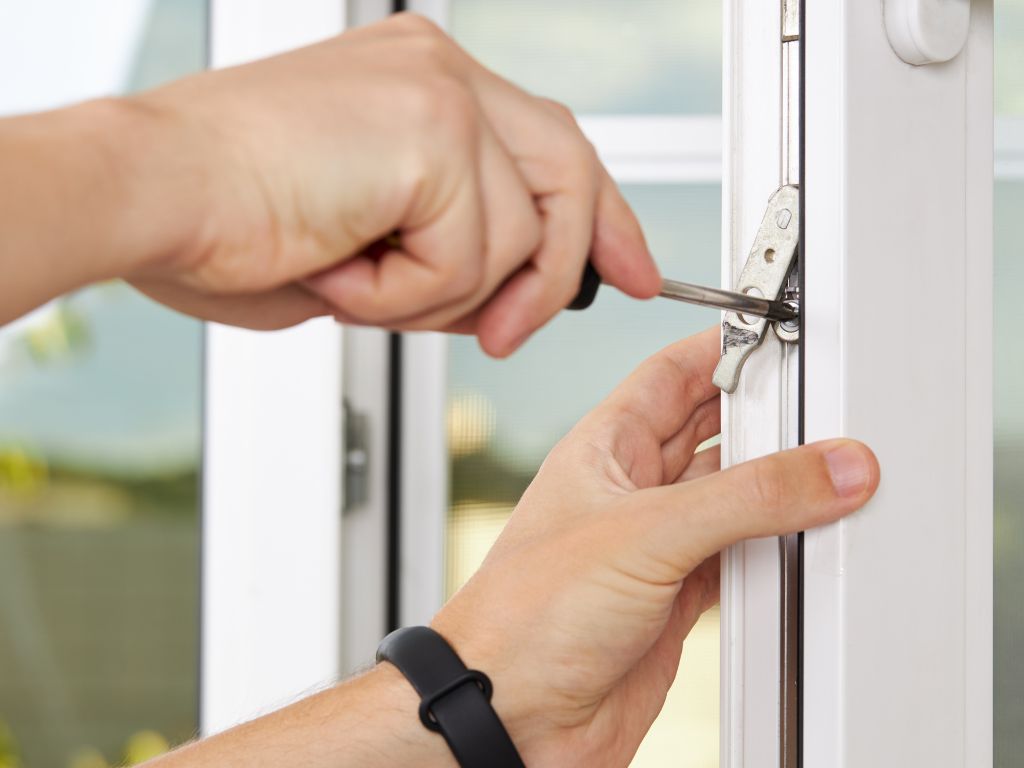
A uPVC door
should open smoothly, close firmly and keep cold air outside. Sticking,
scraping and draughts often begin as small faults but can place extra strain on
locks, hinges and frames. Recognising the warning signs early helps you avoid
forced operation, security problems and unnecessary replacement of the complete
door.
A faulty
uPVC door can quickly become more than a minor inconvenience. A door that
sticks, drops or allows draughts may become difficult to secure and could place
extra pressure on its locking mechanism. Common causes include hinge movement,
worn seals, poor alignment, damaged handles and problems with the glass or
frame. 24/7 Window & Door Repair Experts can assess whether individual components
require adjustment, repair or replacement. Avoid forcing the handle or
repeatedly slamming the door, as this can worsen the fault. A careful
inspection often reveals where the problem begins and helps determine the
safest, most cost-effective response.
1. The Door Sticks Against the
Frame
A door that
sticks may have moved slightly out of alignment. Temperature changes, repeated
use and hinge wear can cause the sash to catch against the frame.
Open and
close the door slowly to identify where it rubs. Look for scuff marks around
the top, bottom and locking side. Do not plane, cut or sand the uPVC, as this
can permanently damage the door and may not correct the underlying alignment
problem.
A professional
can inspect the hinges and reposition the door where suitable.
2. The Door Has Dropped
A dropped
door often catches near the bottom corner opposite the hinges. The handle may
become difficult to lift because the locking points no longer line up correctly
with the keeps in the frame.
Continuing
to force the lock can damage the handle, gearbox or multipoint mechanism. The
problem may require hinge adjustment, realignment or attention to the glass
panel and internal support.
24/7 Window
& Door Repair Experts can
examine the complete door rather than treating the stiff handle as an isolated
fault. Early correction may prevent damage to several connected components.
3. Cold Air Enters Around the Edges
Draughts
can develop when seals become loose, flattened, split or displaced. Poor door
alignment may create a gap even when the seals themselves appear sound.
Close the
door and inspect the seal around the full perimeter. Look for visible gaps,
damaged rubber and areas where the door does not sit evenly against the frame.
Avoid
filling gaps with household sealant. The door still needs to operate freely,
drain correctly and maintain suitable pressure against its seals. A
professional can identify whether the seal, alignment or frame requires
attention.
4. The Handle Is Stiff or Loose
A stiff
handle may point to misaligned locking points rather than a problem with the
handle itself. A loose handle may have worn fixings or damage within the
mechanism.
Do not
apply excessive force. If the handle moves but the locking points do not
engage, stop using the door and arrange an assessment. Repeated operation can
turn a manageable repair into a complete lock failure.
Where the
door cannot be secured, treat the fault as urgent.
5. The Lock Will Not Engage
Correctly
Multipoint
locks rely on several hooks, rollers or bolts lining up with the frame. Door
movement can prevent these components from entering their keeps.
Test the
mechanism gently with the door open. If the handle operates freely when open
but becomes stiff when closed, alignment is a likely cause. Do not repeatedly
lock and unlock the mechanism under pressure.
A locksmith
or door repair specialist can inspect the lock, keeps, hinges and frame before
recommending repair or replacement.
6. The Hinges Look Worn or Damaged
Loose,
damaged or poorly adjusted hinges can allow the door to sag. Cracked covers,
movement at the fixings or visible separation from the frame deserve prompt
attention.
Do not
adjust unfamiliar hinge screws at random. Different hinge designs use different
adjustment points, and incorrect changes can make the alignment worse.
If a hinge
is visibly damaged, support the door carefully and avoid continued use until it
has been inspected.
7. The Glass Is Misted, Cracked or
Loose
Condensation
trapped between panes usually indicates failure within the sealed double-glazed
unit. Surface cleaning will not remove moisture sealed inside.
Cracked or
loose glass requires prompt professional attention. Keep people away from the
affected area and do not press against the pane. The unit may need accurate
measurement and replacement.
If broken
glass leaves the property insecure, emergency boarding can provide temporary
protection while a replacement unit is prepared.
8. Water Appears Around the
Threshold
Water near
the bottom of the door may come from damaged seals, blocked drainage channels,
poor alignment or faults around the frame.
Check
whether visible drainage openings are obstructed by loose dirt. Do not insert
sharp tools deeply into the frame, as hidden parts may be damaged.
Persistent
water entry should be assessed before it affects flooring, plaster or
surrounding timber. The repair must address the source rather than simply
drying the visible moisture.
Conclusion
Sticking,
dropping and draughts are often connected rather than separate faults. A door
that has moved out of alignment may scrape the frame, compress seals unevenly
and place extra strain on its locking mechanism. Treating only the most obvious
symptom can allow the real cause to continue.
Check where
the door catches, inspect visible seals and note whether the handle works
differently when the door is open. Avoid cutting the frame, forcing the lock or
adjusting unfamiliar hinges. Cracked glass, failed locks and doors that cannot
be secured require prompt professional attention.
Repair may involve hinges, handles, locks, seals, glazing or careful realignment. Replacement of the entire door is not always necessary. By asking 24/7 Window & Door Repair Experts to assess the complete installation, property owners can restore smooth operation, reduce draughts and protect security without causing further damage through forced or unsuitable adjustments.